The problem with burning tobacco
The basic ritual of smoking is simple.
A smoker lights a cigarette, starting a high-temperature reaction known as burning, or combustion. These temperatures can rise above 800°C at the tip.
Air is drawn through the lit cigarette and into the mouth for a certain number of puffs, until the tobacco leaves and paper are completely burned away, leaving only the ash.
The burning of the tobacco produces a complex mixture we call smoke.
What’s in cigarette smoke?
Cigarette smoke contains flavors from the tobacco blend, as well as nicotine that exists naturally in tobacco leaves. It’s these elements in the smoke that consumers enjoy while smoking.
However, the very same burning
process that releases the tobacco flavors and nicotine also produces over 6,000 chemicals,
of which about 100 have been identified as causes or potential causes of smoking-related diseases,
such as lung cancer, cardiovascular disease, and emphysema.
It’s the burning of tobacco that’s the main problem with smoking, not the nicotine itself. While addictive and not risk-free, nicotine is not the primary cause of smoking-related diseases.
Watch: Why burning is the main problem with smoking
Learn how removing the burning from tobacco makes better alternatives to smoking.
Why burning is the main problem
Upbeat instrumental music starts
Why burning is the main problem
When tobacco is burnt, it can reach temperatures of around 900 degree Celsius.
It’s this extreme temperature that’s one of the problems with smoking
Burning breaks down the tobacco and produces smoke which contains more than 6,000 chemicals.
Around 100 of these chemicals have been identified by public health experts as causes or potential causes of smoking-related diseases.
Because there is no combustion in smoke-free products,
They have the potential to be better alternatives than continued smoking
*This is subject to scientific substantiation on a product-by-product basis.
The best choice any smoker can make is to quit cigarettes and nicotine use altogether.
Smoke-free alternatives are only for adult smokers who would otherwise continue smoking.
They are not risk-free and contain nicotine, which is addictive.
Music ends
For those adults who don't quit, there are better alternatives to continued smoking that don't burn tobacco
To address the issue with burning (the creation of so many and such high levels of harmful chemicals), our scientists and engineers have created a portfolio of better alternatives that are equally satisfying and deliver flavor and nicotine for current smokers, but without smoke.
Smoke-free products are not risk-free—and in most cases contain nicotine, which is addictive—but if they meet product quality standards and release significantly lower levels of harmful chemicals, they can be a much better choice compared to cigarettes.
Our smoke-free products:
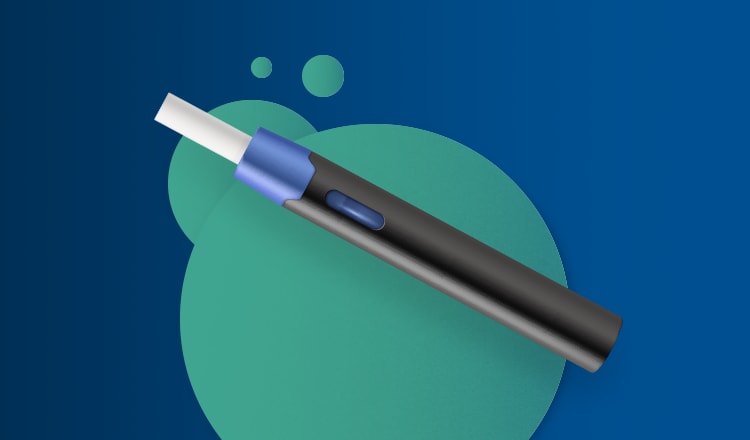
Heat-not-burn products
Our heat-not-burn products rely on innovative technologies that heat tobacco just enough to release nicotine
and flavors in a vapor form, but without burning the tobacco.
We have a range of products based on this principle, all of them using an electric heat source that keeps the temperature of the heated tobacco unit strictly controlled.
As of September 30, 2025 there were an estimated 34 million* adult users of our leading heated tobacco product, of whom around 72 percent had
stopped smoking completely.
E-vapor products
Our e-vapor products don't use tobacco, but are instead filled with an e-liquid containing nicotine and flavors.
Like our heated tobacco products, they don't generate smoke or secondhand smoke, and emit significantly lower levels of harmful chemicals compared to cigarettes.
Oral smokeless products
These products include nicotine pouches and snus.
Nicotine pouches are made primarily of nicotine and flavors, while snus contains tobacco. Both are wrapped in a cellulose pouch, which is placed between the gum and the cheek or upper lip.
While not risk-free, all of these smoke-free products are a better alternative to continued smoking—but the best choice is to quit completely or even better not to start smoking in the first place.
Watch: What’s the difference between tobacco, smoke, and nicotine?
Learn the important differences between the three.
The difference between tobacco, smoke, and nicotine
Title: What's the difference between tobacco, smoke, and nicotine?
Upbeat instrumental music starts
Tobacco is a plant which naturally contains nicotine.
Nicotine is addictive and not risk free.
But it is not the primary cause of smoking-related diseases.
It is the smoke produced from burning tobacco that is the main problem.
Tobacco smoke contains over 6,000 chemicals. Nicotine is one of them.
Around 100 of these chemicals are classified by public health experts as causes or potential causes of smoking-related diseases.
The best choice any smoker can make is to quite cigarettes and nicotine use altogether.
Smoke-free alternatives are only for adult smokers who would otherwise continue smoking.
They are not risk-free and contain nicotine, which is addictive.
Music ends
*User metrics reflect PMI estimates, which are based on consumer claims and sample-based statistical assessments with an average margin of error of +/-5 percent at a 95 percent confidence Interval in key volume markets. The accuracy and reliability of user metrics may vary based on individual market maturity and availability of information.