Jak dlouho bude vedoucí světová tabáková společnost vyrábět cigarety?

Vytváříme
budoucnost bez kouře
Seznamte se s námi
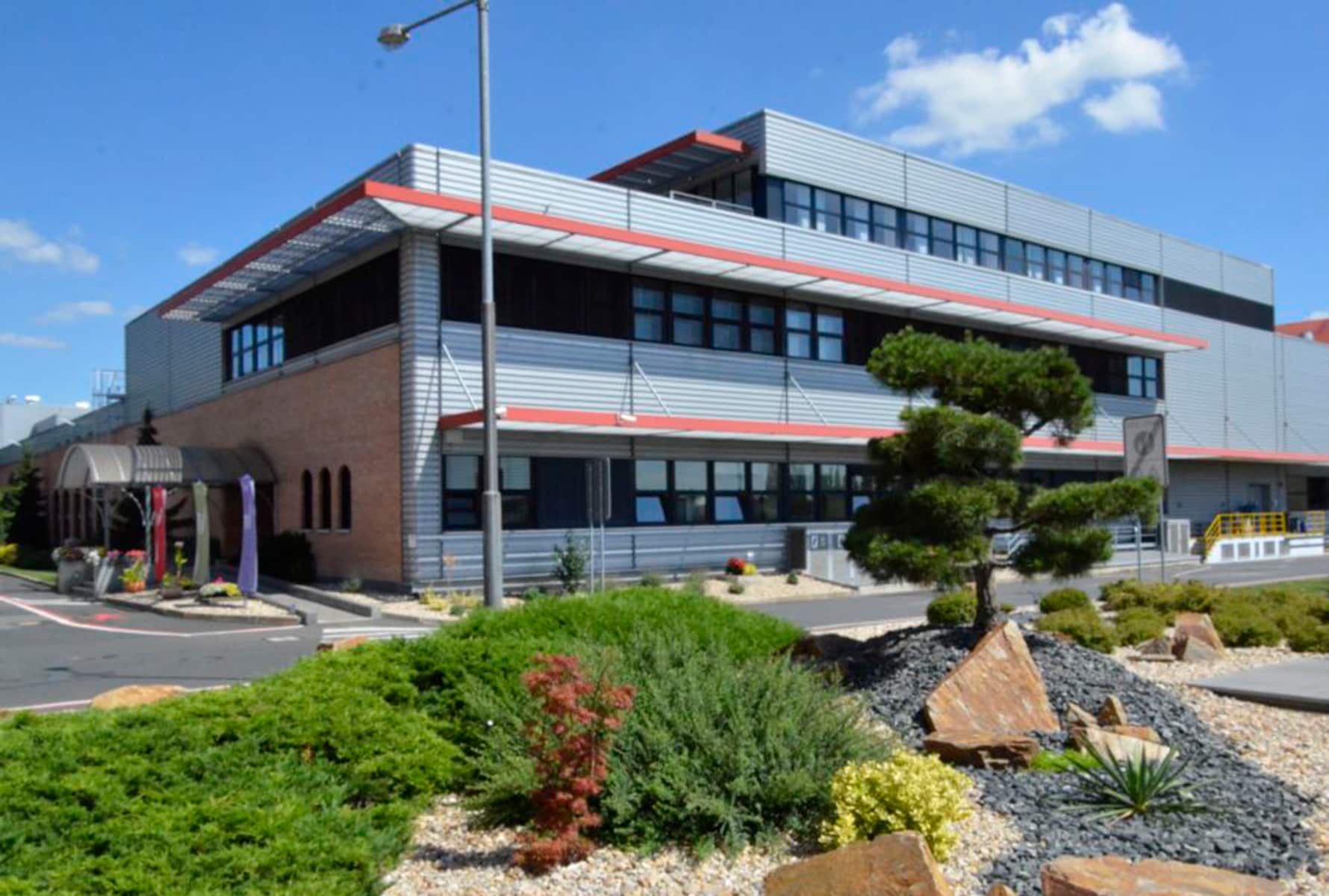
Jsme Philip Morris ČR a.s., dceřiná společnost Philip Morris International a největší výrobce a prodejce tabákových výrobků v České republice. Najdete nás na Burze cenných papírů Praha. Vlastníme 99% obchodní podíl ve společnosti Philip Morris Slovakia s.r.o.
Naši lidé
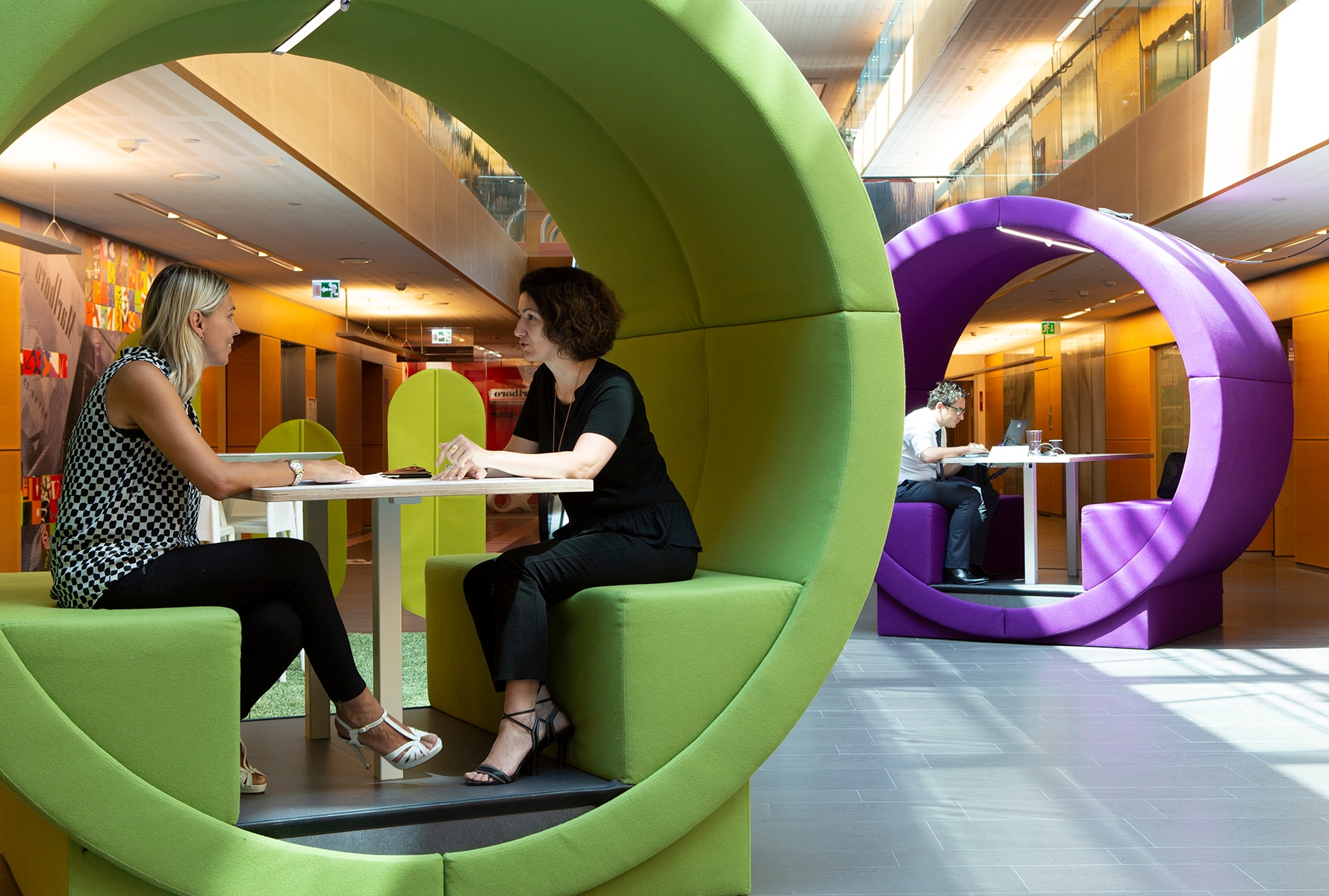
Každá nová generace zaměstnanců přichází s novými očekáváními. To je důvod, proč neustále pracujeme na dalším zlepšování našeho špičkového pracovního prostředí. Činíme tak s cílem nabízet ty nejlepší možné podmínky, aby každý zaměstnanec mohl naplno využít svůj potenciál.
Věříme v to, že atraktivní pracovní příležitosti, možnost rozvoje kariéry doma i v zahraničí a otevřené pracovní prostředí jsou klíčem k motivaci zaměstnanců. Získání ocenění Top Employer poosmé v řadě je důkazem toho, že Philip Morris ČR a.s. takové prostředí poskytuje.
Charitativní program a investice do komunity
Už přes 30 let se společnost Philip Morris ČR a.s. věnuje podpoře charitativních projektů napříč širokým spektrem organizací i zaměření. Vzdělávání, péče o pečující, šance na kvalitní život, environmentální problematika – to jsou čtyři hlavní oblasti, kam v roce 2022 směřovala naše podpora. Navíc opět i v roce 2022 bylo potřeba poskytnout naši pomoc i ke zmírňování následků katastrof či snaze jim předcházet, a to zejména ve spojení s ozbrojeným konfliktem na Ukrajině. U mnoha projektů ale dochází k překrývání oblastí, kdy jeden projekt v sobě zahrnuje prvky více podporovaných směrů.
Více informací o podporovaných projektech najdete zde
Vedení společnosti
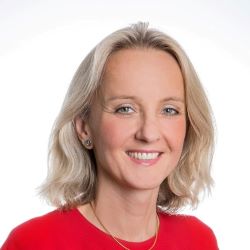
Andrea Gontkovičová
generální ředitelka a předsedkyně představenstva
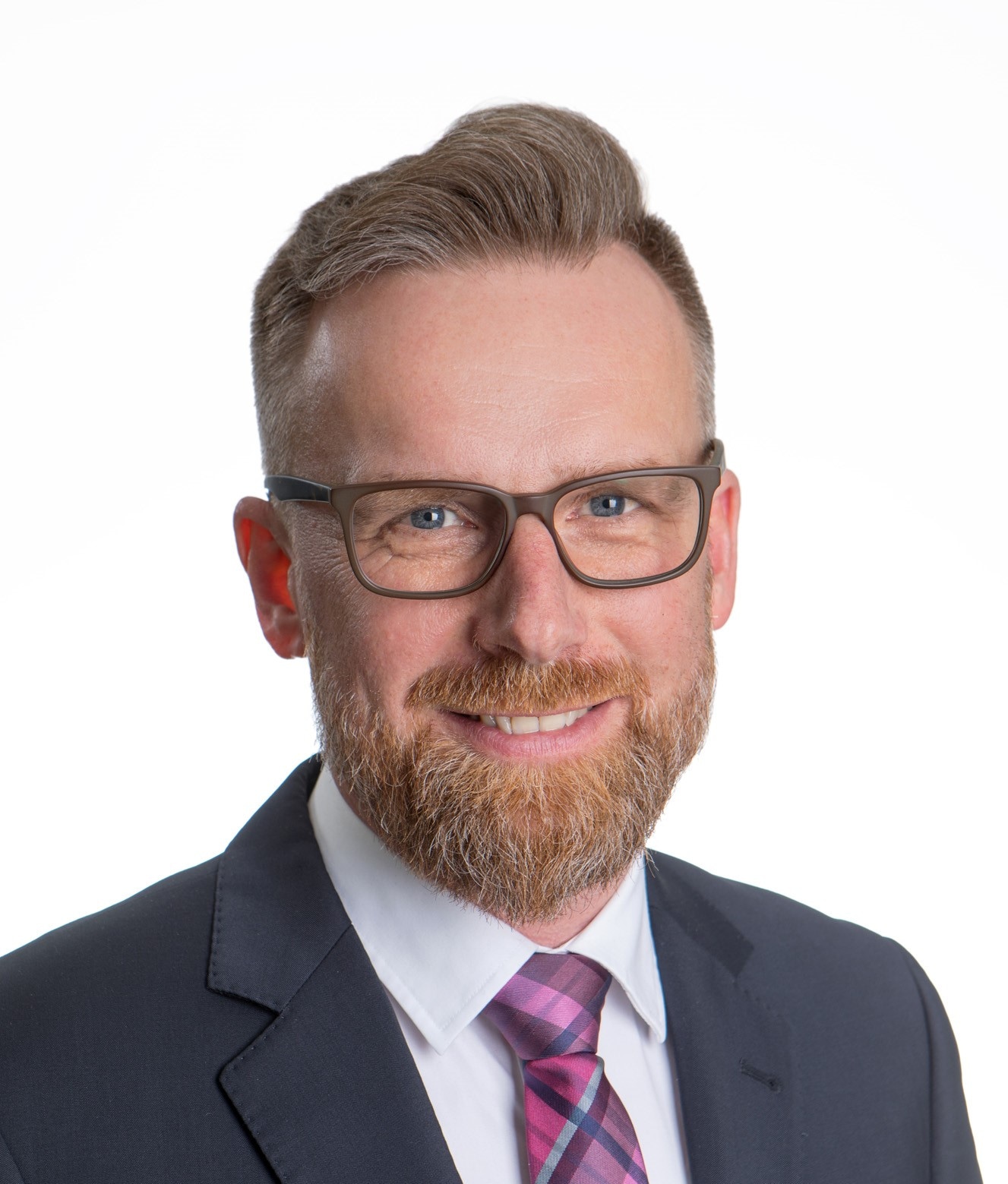
Petr Šebek
ředitel vnějších vztahů a člen představenstva

Manuel A. V. G. Marques
ředitel výroby a člen představenstva

Anton Stankov
finanční ředitel a člen představenstva

Cemal Berk Temuroglu
člen představenstva
Tamás Szabados
člen představenstva
Další informace
Společnost Philip Morris ČR a.s. byla založena v roce 1992, se sídlem v Kutné Hoře. Od srpna 2002 se vedení společnosti přestěhovalo do Prahy, na Karlovo náměstí, kde nyní sídlí oddělení marketingu, financí, prodeje a distribuce, informačních systémů, lidských zdrojů a vnějších vztahů.
-
Všeobecné smluvní podmínky pro nákup zboží a služeb
-
Zásady ochrany soukromí pro obchodní partnery
-
Third Party Privacy Notice
-
Zakladni informace o whistleblowingu a ochraně oznamovatelů a vnitřní oznamovací systém
-
Pravidla užívání ochranných známek IQOS
-
Pravidla používání naší Facebookové stránky
-
Environment, Health, Safety & Security Guidelines
-
Confidentiality Agreement
-
Software Quality Assurance
-
Information Security
-
Environment, Health, Safety and Security Guidelines - SEE countries
-
Supplier Expense Guidelines
-
Kouření a zdraví
-
Závazek výrobního závodu Kutná Hora k zavedení standardu AWS
-
Pravidla zodpovědného zajišťování zdrojů